A visible transformation with a documented scope
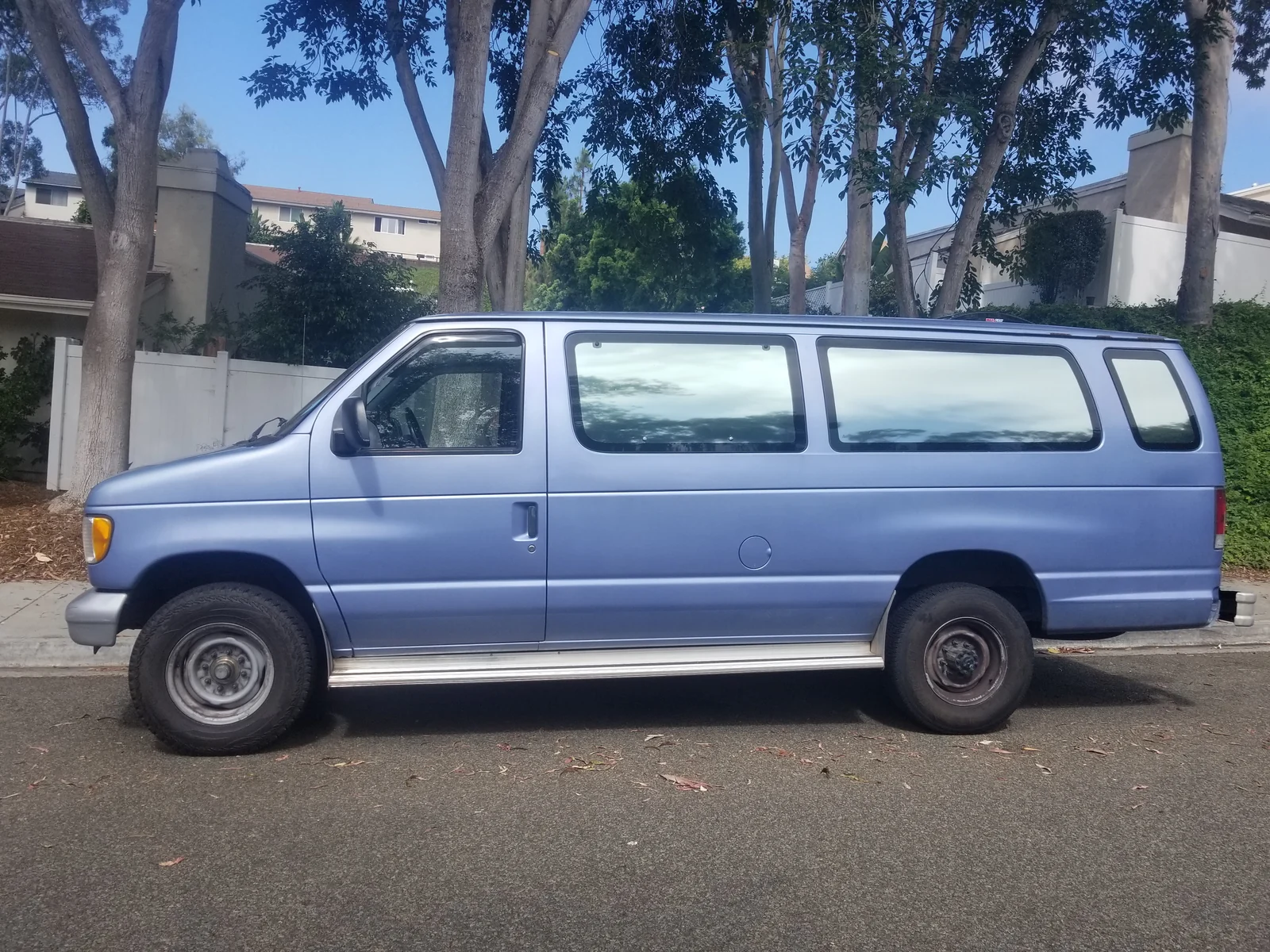
The blue Econoline in the early photographs becomes a green camper in the later record. Michael’s maintenance notes identify Los Panchos in Tijuana, and the surviving repair order describes a package of exterior work.
The paperwork and images answer different questions. The order records scope and an amount. The photographs show stages and visible details. Keeping those sources together makes the story useful without assigning every later workshop picture to the same job.
This guide documents a professionally performed body/paint project and explains how to plan and record a similar handover. It does not supply a paint mixing, spraying or surface-repair procedure.
Planning step
1 / Agree what is included in the job
The June 26, 2019 repair order groups general bodywork and paint with coatings on bumpers and running boards, matte-black trim work, and window removal/resealing and related plastic work. The package total is written as $2,600 DLS.
For another project, separate the surfaces and interfaces in the quotation. Clarify which glass, trim, lights and seals will be removed; who supplies replacement parts; which work is cosmetic; and which existing defects require a separate repair decision.
| Check | Record before committing |
|---|---|
| Surfaces | Body panels, openings, trim, bumpers and any textured coatings, each named separately. |
| Removal and refitting | Glass, lights, seals, handles and trim; responsibility for replacement clips or damaged parts. |
| Products and finish | Actual color/formula and specified products; samples and acceptance references where agreed. |
| Records | Written scope, included amounts, changes, receipts and dated progress photographs. |
| Handover | Fit, operation, finish inspection and water-entry checks appropriate to the completed work. |
Photographed stage
2 / Read the masked-body photograph carefully
A workshop image named for July 17, 2019 shows a gray body surface, with paper and tape masking the windshield, front openings and bumper area. Its date comes from the filename; the image has no verified camera date.
The visible stage establishes that masking and surface work were underway. It does not establish the chemistry, preparation schedule, number of coats or whether every underlying defect had been resolved.
For your own record, ask for dated views of areas that will later be covered by trim or glazing. Keep the agreed scope beside the photographs so a finished color change does not become the only evidence of the work.
Photographed stage
3 / Follow paint through the openings and refit
The July 18 photograph shows green side and rear-quarter surfaces, removed side glass, an exposed rear-lamp opening and a masked wheel. The white ceiling lining is visible through the openings.
These interfaces deserve attention at handover. Check the refitted glass, seals, trim, lights and door operation against the agreed work. Resolve any inspection or water-entry checks with the shop for the actual products and completed assembly.
The photograph records an intermediate stage. It is not proof that all windows were already resealed or that the completed vehicle had passed those checks.
4 / Preserve the package amount and payment evidence
A matching photographed copy of the order is stamped “PAGADO,” meaning paid. The deposit and later installment notes sit within the $2,600 DLS package; they are not extra jobs to add again.
The source does not itemize a paint-only subtotal, and separate bank settlement has not been verified. The owner maintenance record’s June 29 date and the late-June/July photographs also remain separate from a proven completion date.
The cost notebook retains those distinctions without exposing the original private paperwork. Historical prices describe Walter’s record, rather than a current quotation for another van.
5 / Keep later work in its own chapter of the record
The archive also contains workshop pictures named for January 2020. They show a separate visit or work sequence whose purpose, scope and cost remain unresolved.
They are not used to redate the 2019 order or invent another expense. This matters when assembling a long-running project history: a later photograph of the same van in a shop does not establish the same job.
Keep future changes tied to their own quotations, dates and photographs. That makes the build story clearer and the budget more useful when the van has been revised over time.
Finish with a useful handover record
- Reconcile the written scope and any approved changes.
- Record the final products/color information supplied by the shop.
- Inspect refitted glass, seals, lights, trim and moving parts.
- Complete agreed finish and water-entry checks for the actual work.
- Keep receipts and payment evidence separate from progress photographs.
- Photograph the finished vehicle and retain later work as a separate record.
Walter’s green finish is part of the identity of the whole build. The care behind that transformation deserves a record as thoughtful as the finished photographs.
About these notes
Owner maintenance record, June 26 repair order, matching paid-stamped copy and dated/filename-dated workshop photos support the bodywork/repaint account. The $2,600 DLS amount is a package, not paint alone. Chemistry, exact color formula, coat schedule, final payment/completion date and the purpose/cost of later workshop work remain unresolved.